Facial treatments are often marketed with broad promises, which can make it difficult to understand what they realistically do. Hydrafacial is commonly chosen by people seeking professional cleansing, exfoliation, hydration, and an improvement in the immediate appearance of the skin.
It can be useful for selected cosmetic goals, but it should not be confused with medical treatment for every skin condition.
What Is the Main Purpose?
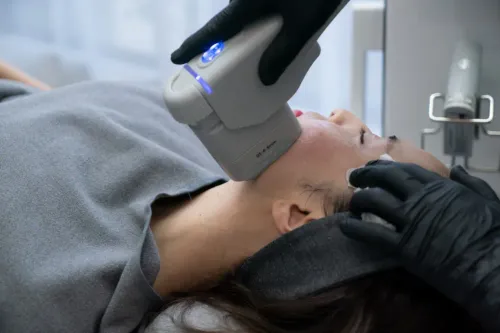
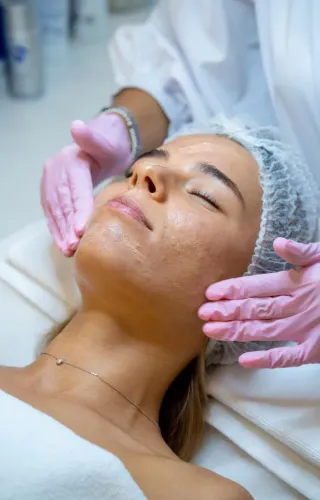
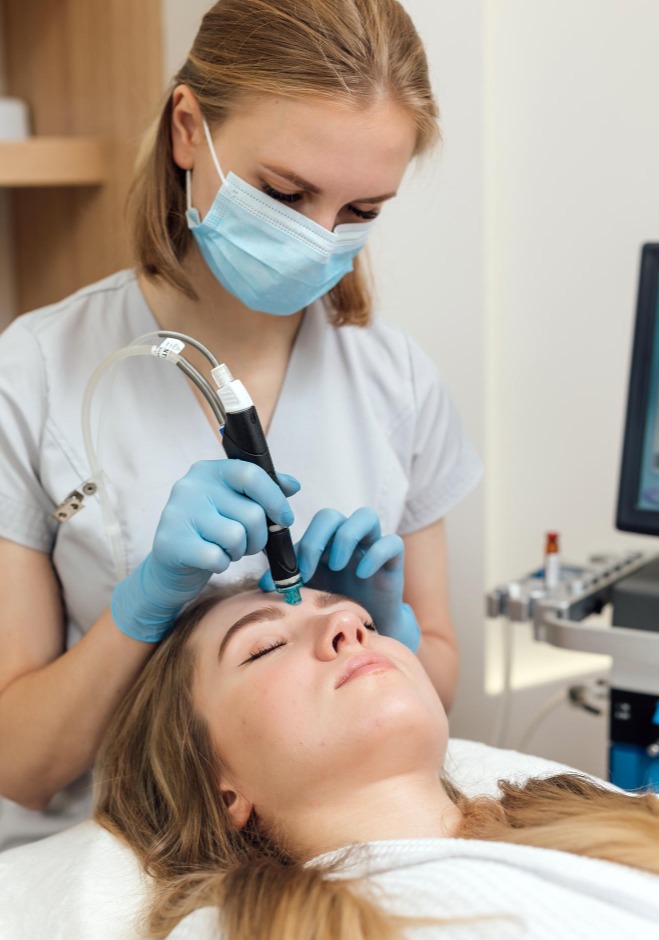
Hydrafacial is a multi-step facial treatment that typically combines cleansing, exfoliation, extraction-related steps, and delivery of hydrating or topical solutions using a specialised device.
Exact protocols can differ.
The treatment is generally sought for concerns such as dull-looking skin, surface congestion, dehydration, or preparation for an occasion when a fresher appearance is desired.
Who Might Consider It?
Potential candidates may include adults looking for professional facial maintenance or improvement in surface hydration and appearance.
Before treatment, however, skin should be assessed for issues that may change the plan.
These can include:
- Active inflammatory acne
- Significant skin sensitivity
- Active rashes
- Open wounds
- Recent procedures
- Irritated skin
- Certain infections
- Current use of strong active products
A facial should not simply proceed because an appointment has been booked.
What Hydrafacial Cannot Replace
Understanding limitations is one of the best ways to decide whether the treatment matches your expectations.
Hydrafacial is not equivalent to fractional CO2 laser resurfacing for depressed acne scars. It is also not the same as a procedure intended to tighten deeper tissue.
Similarly, persistent pigmentation, active acne, or unexplained redness may need dermatological diagnosis rather than repeated facials.
The correct treatment depends on the concern.
Is Downtime Expected?
One reason people are interested in Hydrafacial is that it is generally viewed as a relatively low-downtime treatment compared with aggressive resurfacing procedures.
Individual responses still vary.
Temporary redness or sensitivity may occur, particularly in reactive skin. Patients should follow the specific aftercare advice provided after treatment.
Should You Get One Before an Event?
Many people consider facial treatments before weddings, celebrations, professional events, or travel.
Trying a new treatment immediately before an important event is not always ideal because individual skin reactions cannot be predicted perfectly.
If you have sensitive or reactive skin, discussing timing in advance is sensible.
How Often Is Treatment Needed?
There is no universally necessary Hydrafacial schedule.
Frequency depends on skin condition, goals, other skincare treatments, budget, and professional recommendations.
More frequent treatment is not automatically more beneficial.
Daily skincare, particularly appropriate cleansing, moisturisation, and sun protection, remains important regardless of how often professional facials are performed.
When Is a Dermatology Consultation Better?
If your main concern is persistent acne, unexplained pigmentation, recurrent rashes, significant acne scarring, sudden sensitivity, or another ongoing skin problem, a dermatological assessment may be more useful than booking a facial first.
Once the underlying issue has been identified, aesthetic treatments can be considered where appropriate.
Dr Manisha Chopra Dermatologist in Greater Kailash II provides dermatological and aesthetic consultations for patients across Delhi seeking professional skin care.
Hydrafacial can have a place within a broader skincare routine when the treatment matches the patient's goals. The best candidate is not simply someone who wants “better skin,” but someone whose skin has been assessed and whose expectations match what the procedure is designed to achieve. Clear expectations make it easier to distinguish useful maintenance care from treatments intended for specific medical or structural skin concerns.
Keywords